Alcohol and Muscle Mass
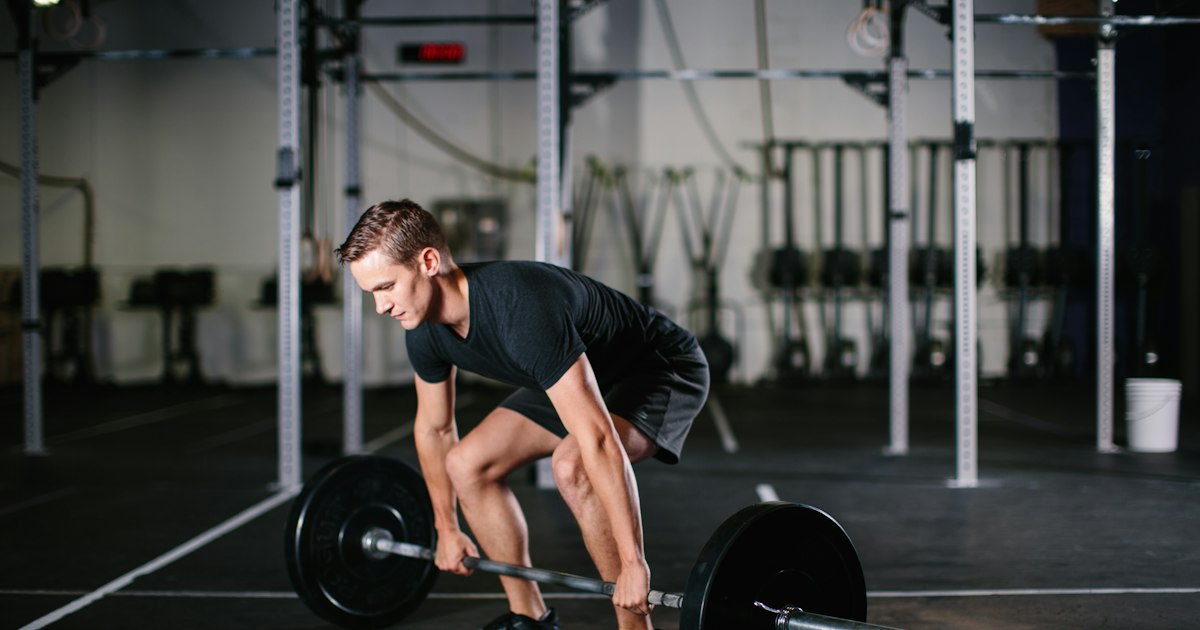
A glass of beer after a workout or a party on the weekend is a familiar part of life for many people who go to the gym. The question is how much progress such a habit costs. The editorial team examined research on the effect of alcohol on muscle protein synthesis, recovery, hormones and sleep and explains where the line runs between a 'minor' and a 'serious' effect.
Alcohol and muscle protein synthesis
Muscle growth is the result of the predominance of muscle protein synthesis over its breakdown over a long period. Strength training and protein intake stimulate synthesis, primarily through the mTOR signaling pathway. It is precisely at this stage that ethanol interferes with the adaptation process.
The most famous study on this topic is the work of Parr and colleagues (2014). Physically active men performed a combined workout, after which they consumed alcohol at a dose of about 1.5 g/kg of body weight (corresponding to an episode of intense drinking). Even when participants received protein along with the alcohol, the rate of myofibrillar protein synthesis decreased by about a quarter compared with consuming protein alone.
When alcohol was combined with carbohydrates instead of protein, the reduction was even greater. So protein partly softens the negative effect but does not cancel it. It is important that this concerns precisely large doses; data on one or two servings are much more limited.
The mechanisms discussed by researchers include suppression of mTOR signaling, changes in the cell's energy status and the effect of ethanol metabolites. In addition, alcohol often replaces a full meal, so total protein intake on 'drinking' days often falls.
Recovery, strength and sleep
Barnes, Mündel and Stannard (2010) showed that consuming alcohol (about 1 g/kg) after intense eccentric exercise increased the loss of muscle strength in the following days compared with placebo. In other words, after a hard workout the muscle recovers worse if a lot was drunk that same evening.
The review by Barnes (2014) summarizes other pathways of influence as well: alcohol has a diuretic effect and can worsen rehydration, disrupts glycogen replenishment if it displaces carbohydrate food, and increases the risk of injury through impaired coordination.
A separate topic is sleep. Alcohol speeds up falling asleep but disrupts the architecture of sleep in the second half of the night, reducing the share of the REM phase and making sleep fragmented. Since sleep is one of the key factors of recovery, this effect can be no less important for an athlete than the direct effect on protein synthesis.
A hangover in itself lowers the quality of the next workout: dehydration, headache, reduced motivation and concentration. As a result, not only recovery from yesterday's session suffers but also the stimulus of today's.
| Mechanism | Effect on progress | Dose dependence |
|---|---|---|
| Suppression of muscle protein synthesis | Slower hypertrophy | Shown for large doses |
| Sleep disruption | Worse recovery | Intensifies with dose |
| Empty calories (~7 kcal/g) | Fat gain, displacement of food | Proportional to the amount |
| Hangover and dehydration | Lower training quality | Mainly after excessive consumption |
Hormones and chronic consumption
The popular claim that 'one bottle of beer crashes testosterone' is not confirmed in such a straightforward form. The acute effects of moderate doses on testosterone in men are ambiguous: for example, Vingren and colleagues (2013) even recorded a short-term increase in bioavailable testosterone after alcohol consumption following a strength workout. The practical significance of such fluctuations is doubtful.
In contrast, chronic excessive alcohol consumption is associated with suppression of testicular function, a decrease in testosterone levels and disruption of hormonal regulation. Regular abuse also raises cortisol levels and contributes to the accumulation of visceral fat.
The most serious consequence for the muscles is alcoholic myopathy. According to Preedy and colleagues (2001), chronic alcoholic myopathy is one of the most common forms of skeletal muscle damage in people who abuse alcohol for a long time: it manifests as weakness and atrophy predominantly of the thigh and shoulder-girdle muscles.
The broader health context also matters. The large-scale Global Burden of Disease analysis (2018) concluded that the level of alcohol consumption that minimizes overall health risks is zero. This does not mean that any serving is catastrophic, but it debunks the myth of 'beneficial' doses.
Practical conclusions for the athlete
If you have decided to consume alcohol, the editorial team offers a few principles to help reduce the harm to progress. They do not make alcohol beneficial but limit its impact on the training process.
- avoid episodes of excessive consumption — it is precisely for these that the most pronounced negative effects have been obtained;
- don't drink on the day of a hard workout, especially immediately after it;
- before and during consumption, ensure a full meal with protein;
- drink water between servings and before sleep;
- account for the calories of alcohol in your diet, especially when dieting;
- schedule hard workouts no earlier than a day after a gathering.
For people who strive for the maximum result, the best strategy is to minimize alcohol. But if consumption is hard to control or has become a regular way to relieve stress, you should consult a doctor.
Editorial conclusions
Large doses of alcohol after a workout lower muscle protein synthesis and worsen recovery of strength and sleep — this is confirmed by controlled studies.
Chronic abuse threatens hormonal disorders and alcoholic myopathy, that is, the direct loss of muscle tissue.
Moderate occasional consumption is unlikely to destroy progress, but there is no dose that is safe for health, and every serving is empty calories.
We also recommend our articles on sleep and recovery, on calculating macros for gaining mass and on how to naturally maintain testosterone levels.
References
- Parr EB, Camera DM, Areta JL, et al. Alcohol ingestion impairs maximal post-exercise rates of myofibrillar protein synthesis following a single bout of concurrent training. PLoS One. 2014;9(2):e88384.
- Barnes MJ, Mündel T, Stannard SR. Acute alcohol consumption aggravates the decline in muscle performance following strenuous eccentric exercise. J Sci Med Sport. 2010;13(1):189–193.
- Barnes MJ. Alcohol: impact on sports performance and recovery in male athletes. Sports Med. 2014;44(7):909–919.
- Vingren JL, Hill DW, Buddhadev H, Duplanty A. Postresistance exercise ethanol ingestion and acute testosterone bioavailability. Med Sci Sports Exerc. 2013;45(9):1825–1832.
- Preedy VR, Adachi J, Ueno Y, et al. Alcoholic skeletal muscle myopathy: definitions, features, contribution of neuropathy, impact and diagnosis. Eur J Neurol. 2001;8(6):677–687.
- GBD 2016 Alcohol Collaborators. Alcohol use and burden for 195 countries and territories, 1990–2016: a systematic analysis for the Global Burden of Disease Study 2016. Lancet. 2018;392(10152):1015–1035.
Andriy Melnyk
A strength-sports coach and author of programs for beginner and intermediate levels. Writes about training planning.