Vegetarianism and Strength Training
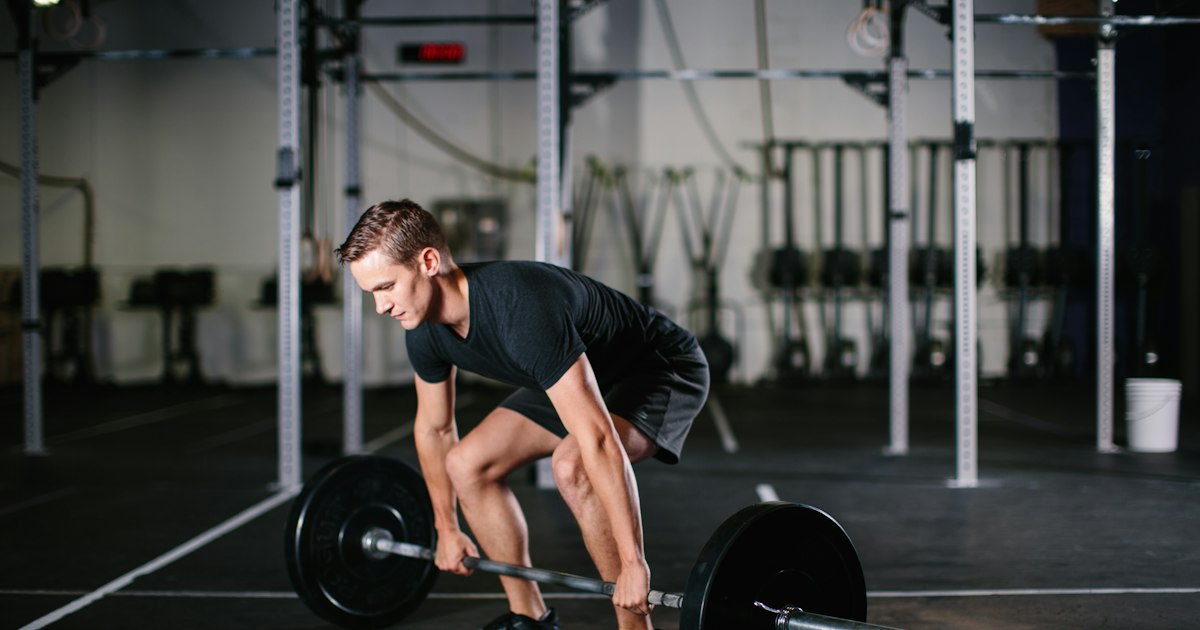
Twenty years ago a vegetarian in the gym was seen as an exception, and the claim 'no meat, no muscle' was considered an axiom. Modern research paints a more complex picture. The editorial team examines whether plant protein is inferior to animal protein, which nutrients require special attention and how to build a diet for strength progress without meat.
Types of vegetarianism and the position of science
'Vegetarianism' is a generalizing concept. Lacto-ovo vegetarians do not eat meat and fish but consume dairy products and eggs; lacto-vegetarians also exclude eggs; vegans give up all products of animal origin. For an athlete this difference is fundamental: dairy products and eggs substantially simplify the task of ensuring protein intake.
The position of the Academy of Nutrition and Dietetics of the USA (Melina, Craig, Levin, 2016) recognizes appropriately planned vegetarian, including vegan, diets as healthy, adequate and suitable for all stages of life, including athletes. The key words here are 'appropriately planned'.
A vegetarian diet is usually rich in fiber, vitamins, potassium and polyphenols, and is also associated with a lower risk of a number of chronic diseases. At the same time it has its vulnerable points: lower-quality protein per gram of product, the risk of a deficiency of vitamin B12, iron, zinc, calcium, iodine, omega-3 and, for vegans, vitamin D.
For a strength athlete the task is twofold: on the one hand, to get enough quality protein for hypertrophy, on the other — to prevent micronutrient deficiencies that worsen performance and health. Both tasks are entirely solvable but require more attention than in an omnivorous diet.
Plant protein: quality and quantity
The review by van Vliet, Burd and van Loon (2015) describes why plant proteins on average stimulate muscle protein synthesis more weakly than animal ones: they are digested worse, contain fewer essential amino acids, in particular leucine, and some lack lysine (grains) or methionine (legumes).
These drawbacks can be compensated for in three ways: by increasing the total amount of protein, by combining different sources (for example, legumes and grains over the course of a day) and by using concentrated protein products — isolates of soy, pea, blends of plant proteins.
| Source | Features of the amino acid profile | Practical use |
|---|---|---|
| Soy, tofu, tempeh | A complete profile, among plant sources — one of the best | The main source for vegans |
| Legumes (lentils, chickpeas, beans) | Rich in lysine, poorer in methionine | Combine with grains |
| Grains (rice, wheat, oats) | Poor in lysine | Combine with legumes |
| Dairy products, eggs | High protein quality, plenty of leucine | For lacto-ovo vegetarians |
| Pea/rice isolate | Blends complement one another | A convenient addition to the diet |
A practical guideline is to keep total protein intake in the upper part of the generally accepted range of 1.6–2.2 g/kg (Morton and colleagues, 2018). Rogerson (2017), in practical recommendations for vegan athletes, also advises aiming for higher values to compensate for the lower quality of protein.
A serving of plant protein per meal should be somewhat larger than of animal protein in order to get a sufficient amount of leucine. It is useful to include a concentrated source of protein in each meal rather than relying only on grains and vegetables.
What hypertrophy studies show
The most convincing data came from the study by Hevia-Larraín and colleagues (2021). Young men — habitual vegans and omnivores — performed strength training for 12 weeks and received an equal amount of protein, about 1.6 g/kg per day; the vegans got their protein from soy protein, the omnivores from whey.
At the end of the study the groups did not differ either in the gain of muscle mass or in the gain of strength. The authors concluded that a high-protein plant-based diet balanced in the amount of protein supports adaptation to strength training no worse than an omnivorous one.
An important caveat: the result was obtained under carefully controlled amounts of protein with a supplement of concentrated protein. In real life vegetarians often fall short on protein, and it is precisely in this, rather than in the 'inadequacy' of plants as such, that the cause of weak progress most often lies.
It should also be remembered that the study lasted three months and covered young men. For older people, in whom the sensitivity of muscles to protein is reduced, the quality and dose of protein may matter more.
Critical nutrients and creatine
Vitamin B12 is practically absent from plant food, so vegans need a supplement of it or fortified products — this is the position of all leading dietetic organizations. A B12 deficiency develops slowly but can cause anemia and irreversible neurological disorders.
Iron from plant products (non-heme) is absorbed worse than heme iron from meat. Combination with vitamin C improves absorption, while tea and coffee with meals worsen it. Women athletes in particular should periodically monitor ferritin as prescribed by a doctor.
- vitamin B12 — a supplement or fortified products for vegans;
- iron and zinc — legumes, whole grains, seeds, monitoring of test results;
- calcium and vitamin D — fortified plant drinks, tofu with calcium, sun or a supplement;
- iodine — iodized salt;
- omega-3 — flaxseed, walnuts, microalgae oil.
Creatine is contained predominantly in meat and fish, so in vegetarians its stores in the muscles are usually lower. In a study by Burke and colleagues (2003), vegetarians who took creatine alongside strength training got a greater gain in muscle creatine and lean mass than those who took placebo. Creatine monohydrate is a synthetic substance, so it is suitable for vegans too.
For creatine as a regular dietary supplement, studies most often use 3–5 g a day every day; vegetarians can get relatively greater benefit from it because of their lower baseline stores.
Editorial conclusions
Vegetarianism does not prevent building muscle mass and strength — provided there is a sufficient amount of protein, preferably in the upper part of the recommended range, and the use of concentrated protein sources.
The main risks are a deficiency of B12, iron, zinc, calcium, iodine and omega-3; they are resolved by planning the diet and supplements.
Creatine for vegetarians is one of the most justified supplements because of low baseline stores.
We also recommend reading our articles on calculating macros for gaining mass, on fiber in an athlete's diet and on choosing a plant protein.
References
- Melina V, Craig W, Levin S. Position of the Academy of Nutrition and Dietetics: vegetarian diets. J Acad Nutr Diet. 2016;116(12):1970–1980.
- van Vliet S, Burd NA, van Loon LJ. The skeletal muscle anabolic response to plant- versus animal-based protein consumption. J Nutr. 2015;145(9):1981–1991.
- Hevia-Larraín V, Gualano B, Longobardi I, et al. High-protein plant-based diet versus a protein-matched omnivorous diet to support resistance training adaptations: a comparison between habitual vegans and omnivores. Sports Med. 2021;51(6):1317–1330.
- Rogerson D. Vegan diets: practical advice for athletes and exercisers. J Int Soc Sports Nutr. 2017;14:36.
- Morton RW, Murphy KT, McKellar SR, et al. A systematic review, meta-analysis and meta-regression of the effect of protein supplementation on resistance training-induced gains in muscle mass and strength in healthy adults. Br J Sports Med. 2018;52(6):376–384.
- Burke DG, Chilibeck PD, Parise G, et al. Effect of creatine and weight training on muscle creatine and performance in vegetarians. Med Sci Sports Exerc. 2003;35(11):1946–1955.
Andriy Melnyk
A strength-sports coach and author of programs for beginner and intermediate levels. Writes about training planning.